
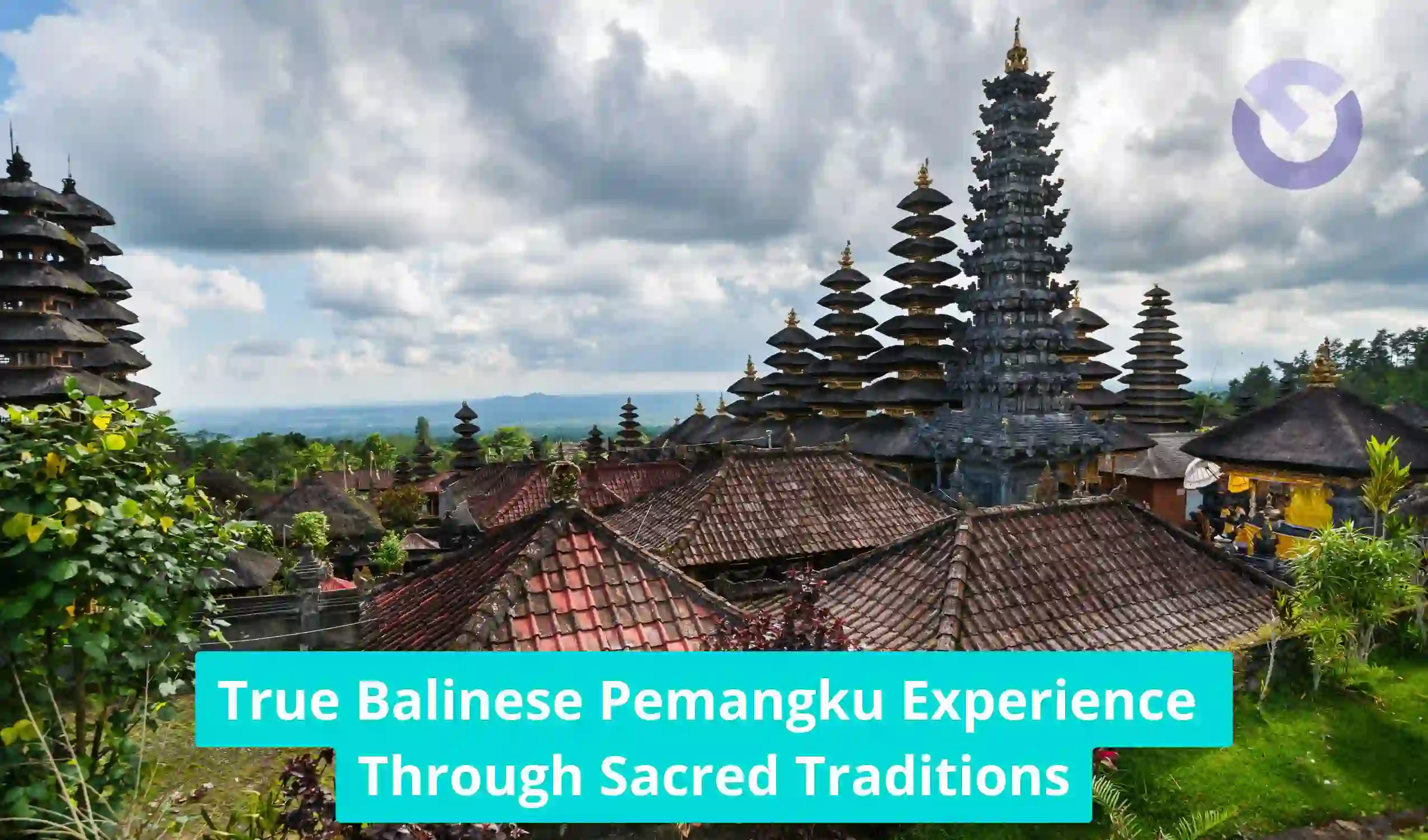
Discover true Balinese pemangku experience through sacred rituals, temple ceremonies, spiritual blessings, and authentic Balinese culture.
True Balinese Pemangku Experience Through Sacred Spiritual Connection
A true Balinese pemangku experience offers travelers a rare opportunity to witness the spiritual heart of Bali through authentic temple traditions, sacred blessings, and meaningful cultural connection. Beyond the island’s famous landscapes and luxury tourism, Bali preserves a deeply spiritual way of life guided by ceremonies, ancestral wisdom, and temple rituals led by respected spiritual figures known as Pemangku.
For centuries, Pemangku have played an essential role within Balinese Hindu communities. They guide ceremonies, maintain sacred temple traditions, prepare spiritual offerings, and help preserve harmony between humans, nature, and divine energy. Consequently, their presence remains deeply respected throughout villages and temple communities across Bali.
Today, many travelers seek authentic spiritual experiences instead of commercial tourism activities. Therefore, participating in a true Balinese pemangku experience allows visitors to understand Bali from a more meaningful cultural and spiritual perspective.
Unlike staged attractions designed only for entertainment, authentic interactions with a Pemangku reveal living traditions that continue shaping Balinese identity and daily life today.
Understanding the True Balinese Pemangku Experience
A true Balinese pemangku experience begins with understanding the role of the Pemangku within Balinese Hindu culture. A Pemangku serves as a temple priest or spiritual guardian responsible for leading ceremonies, offering prayers, and maintaining sacred balance within temple environments.
Unlike high ranking Hindu priests known as Pedanda, Pemangku often come directly from local village communities. Nevertheless, they carry deep spiritual responsibilities and receive strong respect from Balinese society because of their ceremonial role and spiritual dedication.
Pemangku guide various rituals throughout the year including temple anniversaries, purification ceremonies, blessings, and community festivals. Furthermore, they help prepare offerings and sacred spaces before important ceremonies begin.
For visitors, spending time with a Pemangku creates opportunities to understand Balinese spirituality beyond surface level tourism. Instead of simply observing rituals from a distance, travelers may experience deeper cultural learning through respectful interaction and spiritual guidance.
This authentic connection often becomes one of the most memorable moments during a journey through Bali.
Sacred Rituals Within a True Balinese Pemangku Experience
Sacred rituals form the foundation of every true Balinese pemangku experience because ceremonies remain central to Balinese spiritual life. Across Bali, temple rituals continue connecting local communities with ancestors, divine energy, and natural balance.
One important ceremony often guided by Pemangku is Melukat, a sacred water purification ritual performed at holy springs and temples. During this ritual, participants receive prayers and blessings while cleansing negative energy through sacred water.
Additionally, Pemangku lead temple ceremonies known as Odalan which celebrate temple anniversaries through offerings, prayers, traditional dance, and gamelan music. These events strengthen community unity while preserving ancestral traditions across generations.
Many rituals also involve carefully prepared offerings made from flowers, rice, incense, fruits, and woven coconut leaves. Each element carries symbolic meaning connected to gratitude, balance, and spiritual devotion.
Visitors who respectfully witness these ceremonies frequently describe feeling emotionally moved by the atmosphere of sincerity, beauty, and spiritual harmony surrounding the rituals.
Spiritual Meaning Behind the True Balinese Pemangku Experience
The spiritual depth behind a true Balinese pemangku experience reflects Bali’s philosophy of balance between humanity, nature, and divine energy. This philosophy, known as Tri Hita Karana, influences nearly every aspect of Balinese life including ceremonies, architecture, agriculture, and social relationships.
Pemangku help maintain this spiritual harmony through ritual practice, prayer, and ceremonial leadership. Consequently, their role extends beyond temple responsibilities because they also support the spiritual wellbeing of local communities.
Balinese spirituality emphasizes gratitude, mindfulness, and respect for unseen spiritual forces. Therefore, rituals guided by Pemangku often encourage reflection, emotional clarity, and inner peace.
For many travelers, participating respectfully in these sacred experiences creates opportunities for deeper personal awareness and cultural appreciation. Moreover, witnessing living spiritual traditions often changes how visitors understand Bali itself.
Rather than focusing solely on external beauty, authentic spiritual experiences reveal the island’s deeper cultural identity rooted in devotion and harmony.
True Balinese Pemangku Experience Through Sacred Temples
Sacred temples remain essential within every true Balinese pemangku experience because they function as active spiritual centers where ceremonies and prayers continue daily.
Bali contains thousands of temples ranging from small family shrines to major spiritual complexes visited during important festivals. Each temple carries unique spiritual significance connected to local history, ancestral protection, or natural forces.
Temples such as Tirta Empul, Besakih Temple, and village temples across Bali often involve Pemangku who guide prayers, prepare offerings, and bless worshippers during ceremonies. Furthermore, temple architecture itself reflects symbolic relationships between humans, nature, and the divine universe.
Inside sacred temple spaces, visitors may witness incense smoke rising beside ancient shrines while prayers echo through ceremonial courtyards. This atmosphere creates a deeply immersive cultural experience unlike ordinary tourism activities.
Respectful behavior remains important during temple visits. Visitors usually wear sarongs and sashes while following local guidance regarding ceremony etiquette and sacred areas.
Daily Life and the Role of Pemangku in Bali
One remarkable aspect of a true Balinese pemangku experience involves understanding how spirituality remains integrated naturally into daily Balinese life.
Every morning across Bali, families prepare small offerings called canang sari before beginning daily activities. These offerings symbolize gratitude and spiritual balance while honoring divine energy and ancestral presence.
Pemangku help guide many important moments throughout community life including family ceremonies, temple festivals, agricultural rituals, and spiritual blessings. Consequently, their influence extends far beyond formal temple activities.
In village communities, Pemangku often hold respected positions because they preserve sacred traditions and cultural continuity across generations. Additionally, they help younger Balinese learn ceremonial practices and spiritual values connected to local heritage.
For visitors, observing this integration between spirituality and ordinary life often becomes one of the most authentic aspects of experiencing Bali.
Nature and Spiritual Harmony in the True Balinese Pemangku Experience
Nature plays an essential role within every true Balinese pemangku experience because Balinese spirituality remains closely connected to natural environments.
Mountains, rivers, forests, waterfalls, and oceans all hold sacred significance within Balinese belief systems. Therefore, many ceremonies guided by Pemangku occur beside holy springs, temple courtyards, and spiritually important landscapes.
Mount Agung remains especially sacred because Balinese communities consider it the spiritual center of the island. Consequently, many temples align symbolically toward the mountain as representations of cosmic harmony.
Holy water also carries deep spiritual symbolism within Balinese rituals. Sacred springs and purification pools represent cleansing, renewal, healing, and divine blessing. As a result, water ceremonies led by Pemangku continue holding important spiritual meaning today.
This close relationship between spirituality and nature explains why Bali often feels calming and spiritually powerful for many travelers.
Why Travelers Seek a True Balinese Pemangku Experience
Modern travelers increasingly seek experiences rooted in authenticity, mindfulness, and meaningful cultural connection. Therefore, many visitors now search for a true Balinese pemangku experience rather than commercial tourism attractions.
People often arrive in Bali looking for emotional healing, inner peace, spiritual reflection, or deeper cultural understanding. Through respectful interaction with sacred traditions and local spiritual practitioners, travelers frequently discover perspectives that feel both grounding and transformative.
Many visitors describe feeling inspired by the simplicity, gratitude, and spiritual awareness visible throughout Balinese community life. Furthermore, ceremonies guided by Pemangku often create moments of emotional reflection and calmness difficult to experience elsewhere.
Authentic cultural immersion also supports local traditions by encouraging respectful tourism focused on education and genuine human connection.
Consequently, these experiences benefit both travelers and local communities while helping preserve Bali’s sacred cultural heritage.
Authentic Cultural Immersion Through Balinese Spiritual Traditions
Experiencing a true Balinese pemangku experience requires openness, humility, and cultural respect. Instead of treating ceremonies as entertainment, visitors should approach spiritual traditions with sincere curiosity and appreciation.
Authentic cultural immersion experiences may include temple visits, purification rituals, ceremonial blessings, offering preparation, and conversations about Balinese philosophy guided by local communities.
Some experiences also involve traditional cooking, village walks, storytelling, meditation, and cultural discussions that reveal how spirituality influences everyday life in Bali. Furthermore, these interactions create deeper emotional connection and cultural understanding.
Travelers who engage respectfully often leave with greater appreciation for Bali’s spiritual identity beyond its tourism image.
Importantly, genuine spiritual experiences focus on mindfulness and human connection rather than performance or social media trends.
Preserving the Sacred Role of Pemangku in Modern Bali
Despite rapid tourism growth and modernization, the role of Pemangku remains deeply important within Balinese society. Communities continue preserving spiritual traditions through ceremonies, temple responsibilities, and cultural education passed across generations.
However, balancing tourism with spiritual integrity requires ongoing awareness and respect. Some sacred rituals risk losing meaning when presented only as entertainment for visitors.
Fortunately, many local communities now encourage responsible tourism focused on authenticity, education, and cultural preservation. Consequently, travelers increasingly seek experiences that support local traditions while creating meaningful cultural exchange.
This commitment helps preserve Bali’s spiritual identity while allowing visitors to experience sacred traditions respectfully and authentically.
FAQ About True Balinese Pemangku Experience
What is a true Balinese pemangku experience
A true Balinese pemangku experience involves authentic interaction with Balinese temple priests, sacred rituals, blessings, and traditional spiritual ceremonies.
What does a Pemangku do in Bali
A Pemangku serves as a temple priest or spiritual guardian responsible for guiding ceremonies, prayers, offerings, and temple rituals.
Can visitors join ceremonies guided by a Pemangku
Yes. Respectful visitors may participate in certain cultural immersion experiences and purification rituals guided by local spiritual practitioners.
Why are Pemangku important in Balinese culture
Pemangku help preserve sacred traditions, spiritual harmony, community rituals, and ancestral practices throughout Balinese society.
What should visitors wear during temple ceremonies
Visitors usually wear traditional sarongs and sashes while maintaining respectful behavior inside sacred temple areas.
Discover Authentic Balinese Spiritual Traditions
A true Balinese pemangku experience offers more than cultural sightseeing. Instead, it reveals the sacred heart of Bali through temple rituals, spiritual wisdom, ancestral traditions, and meaningful human connection.
For travelers seeking authentic spiritual and cultural immersion, Bali provides opportunities to experience living traditions guided by local communities and sacred ceremonial practices.
Explore the deeper spiritual side of Bali through respectful cultural journeys rooted in authenticity, harmony, and sacred connection.
Visit Authentic Balinese Cultural Immersion Experience to discover genuine spiritual and cultural experiences across Bali.





Leave a Comment