
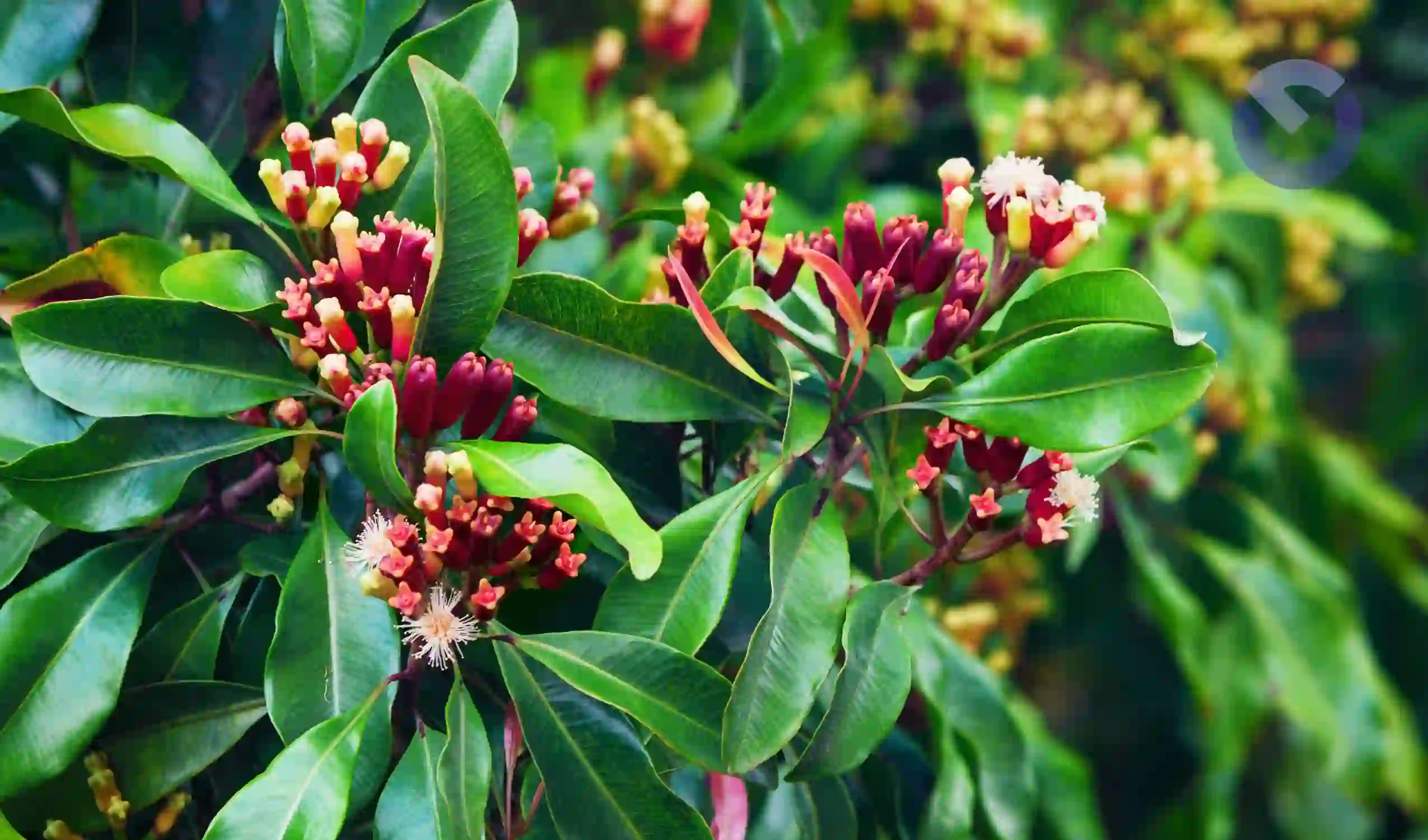
Discover a Bali Clove Plantation Tour through the island’s highlands, learn how cloves grow and are harvested, and experience traditional Balinese farming.
Bali is famous for beaches, temples, rice terraces, and coffee plantations. However, beyond these familiar attractions, the island has another agricultural story worth discovering.
A Bali Clove Plantation Tour takes travellers into the cooler highlands where clove trees grow among villages, forests, coffee farms, and traditional agricultural landscapes.
Rather than simply looking at a plantation, this experience gives you a closer understanding of how one of Indonesia’s most valuable spices grows from a small flower bud into the aromatic cloves used around the world.
Along the way, you can meet local farming communities, explore scenic countryside, and discover a quieter side of Bali.
For travellers who want to experience Bali beyond its busy tourist areas, a clove plantation visit offers something refreshingly different. The journey combines nature, agriculture, local knowledge, and authentic rural scenery in one memorable experience.
Bali Clove Plantation Tour At A Glance
| Experience | Details |
|---|---|
| Activity | Clove plantation and rural farming experience |
| Location | Bali highlands, particularly northern Bali |
| Duration | Flexible depending on the itinerary |
| Difficulty | Easy to moderate walking |
| Best For | Nature lovers, families, couples, photographers, and curious travellers |
| Main Highlights | Clove trees, local farming, mountain scenery, traditional villages, spice education, and rural Bali |
What Is A Bali Clove Plantation Tour
A Bali Clove Plantation Tour takes visitors into agricultural areas where local farmers cultivate clove trees. The experience usually involves walking through plantation landscapes, learning about the clove plant, and understanding how farmers care for the trees throughout the growing cycle.
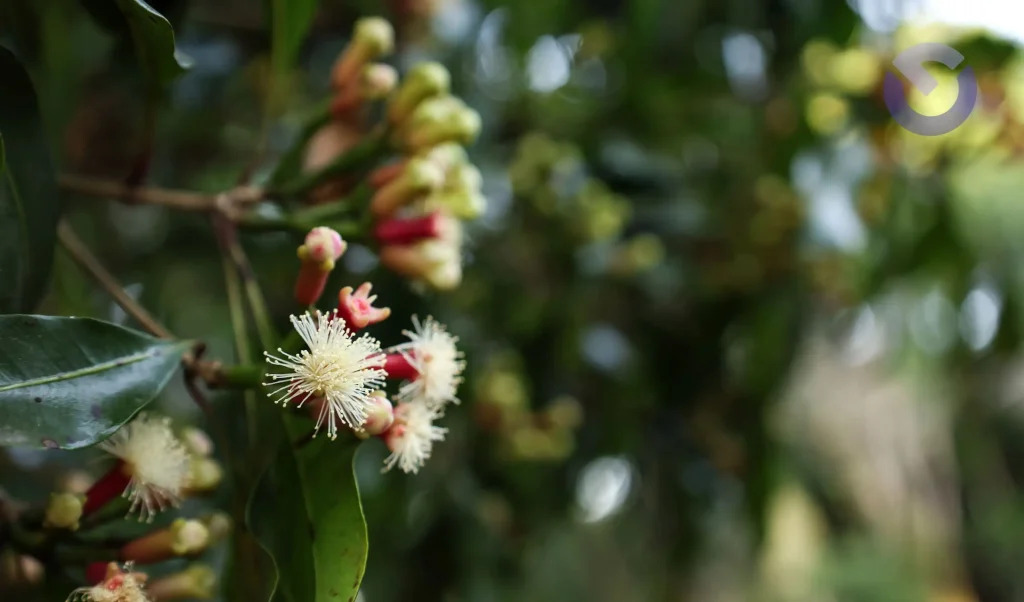
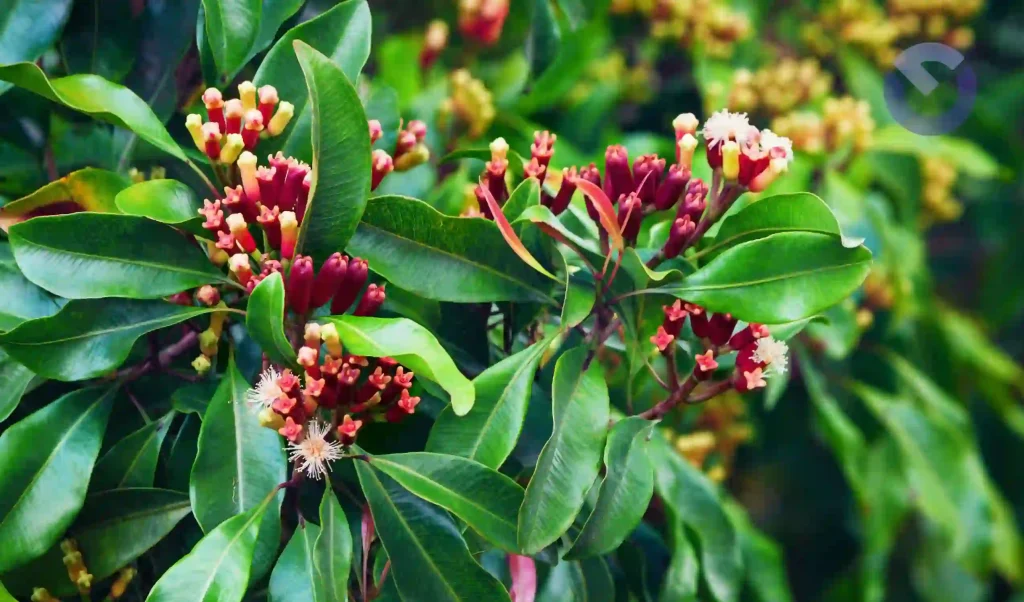
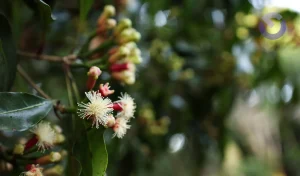
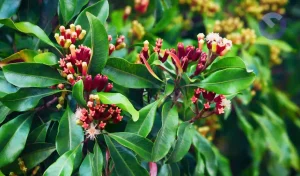
Cloves come from the flower buds of the clove tree, scientifically known as Syzygium aromaticum. Farmers harvest the buds before the flowers fully open. They then dry the buds until they develop the familiar dark brown colour and intense fragrance associated with dried cloves.
In Bali, clove cultivation forms part of a wider highland farming tradition. Farmers often grow cloves alongside other crops, creating landscapes where spice trees share the environment with coffee, fruit trees, vegetables, and tropical vegetation.
Consequently, a plantation visit feels less like visiting a commercial attraction and more like stepping into the working countryside of Bali.
Where To Find Clove Plantations In Bali
Northern Bali offers some of the most interesting landscapes for travellers searching for a clove plantation in Bali. The mountainous areas around Buleleng and the Munduk region provide cooler conditions and fertile agricultural land.
Munduk stands out for its combination of mountain scenery, traditional villages, coffee plantations, waterfalls, and spice farming. The area has long attracted travellers who prefer nature and rural experiences over crowded coastal destinations.
As you travel through the northern highlands, you can often see agricultural plots spread across slopes and valleys. Depending on the season and the location, clove trees may appear alongside coffee plants, bananas, citrus trees, and other crops.
Therefore, the exact plantation experience can vary. Some visits focus more heavily on clove farming, while others combine the plantation with several nearby agricultural and natural attractions.
Discover Clove Farming In Bali
Clove farming requires patience because clove trees take several years to reach productive maturity. Once established, however, mature trees can become an important part of a farming household’s agricultural income.
The trees themselves can grow considerably taller than many visitors expect. Their evergreen leaves create dense foliage, while the developing flower buds provide the part that farmers eventually harvest.
During a plantation visit, a local guide can explain how farmers recognise suitable buds and when they consider them ready for harvesting. This practical knowledge adds another dimension to the experience because you see the spice as a living crop rather than something that simply arrives in a supermarket packet.
Moreover, seeing the trees in their natural environment helps explain why Indonesia has played such an important role in the history of the global spice trade.
From Clove Flower Buds To Dried Cloves
The journey from a clove tree to the spice found in kitchens around the world involves several stages.
Clove trees produce small flower buds that gradually develop on the branches. Farmers watch the buds carefully because harvesting them at the appropriate stage helps preserve their quality and aroma.
Once farmers harvest the buds, they traditionally dry them to reduce moisture. The drying process gradually changes the appearance of the fresh buds and produces the familiar reddish brown to dark brown cloves.
The finished spice has a powerful fragrance and a warm, slightly sweet flavour. People use cloves in cooking, beverages, traditional preparations, and many spice blends.
Seeing this process during a Bali clove farm tour makes the experience particularly valuable for visitors who enjoy understanding where food and spices come from.
The Importance Of Cloves In Bali
Cloves have a long relationship with Indonesian agriculture and the country’s spice history. Indonesia remains one of the world’s important clove producing countries, with cloves playing a significant role in domestic markets and traditional industries.
The spice also carries cultural importance. In Indonesia, people commonly associate cloves with cooking, traditional drinks, herbal preparations, and the production of kretek cigarettes.
For visitors, however, the most interesting aspect often comes from seeing the agricultural side of the story.
A walk through a clove plantation reveals the connection between farmers, land, climate, seasonal cycles, and the final product. It also provides a more personal perspective on rural Bali.
What You Can See On A Clove Plantation Tour
Every plantation experience differs according to the season and location. Nevertheless, visitors can expect several elements that make the journey memorable.
Clove Trees And Highland Landscapes
The plantation itself provides a completely different visual experience from Bali’s beaches. Tall trees, green hills, narrow village roads, and mountain air create a peaceful setting for exploration.
Photographers will also find plenty of natural subjects, particularly when morning light passes through the plantation canopy.
Local Farming Practices
A local guide can explain how farmers maintain their trees and manage their crops. You can learn about planting, growth, harvesting, drying, and storage while walking through the agricultural landscape.
This direct explanation adds authenticity because the information connects directly with the environment around you.
Clove Harvesting In Bali
If you visit during the appropriate season, you may have the opportunity to see aspects of the harvesting process. The exact timing varies according to location, weather, altitude, and farming conditions.
Harvesting generally focuses on flower buds before they open fully. Farmers carefully collect the buds and prepare them for drying.
Because harvest timing changes from year to year, travellers should check local conditions when planning a trip specifically to see harvesting activity.
Traditional Villages And Local Life
A plantation tour can also introduce visitors to the communities surrounding the farms. Rural Bali offers a slower rhythm of life, with traditional homes, temples, small roads, gardens, and agricultural activities forming part of the everyday landscape.
As a result, the experience becomes more than a plantation visit. It becomes an opportunity to understand a different side of Balinese life.
Best Time To Visit A Clove Plantation In Bali
The best time depends on what you want to experience.
If your priority involves comfortable outdoor exploration, Bali’s generally drier months can provide favourable conditions for walking through rural areas. However, plantation conditions and harvest activity can change throughout the year.
Travellers who specifically want to see clove harvesting in Bali should plan around the local harvest period rather than relying only on a general Bali travel calendar.
The most practical approach involves checking current plantation conditions before booking. Local guides can provide better information about whether trees currently carry developing buds or whether farmers are actively harvesting.
Combine A Clove Plantation With Other Bali Experiences
One advantage of visiting Bali’s northern highlands involves the number of attractions located within the same broader region.
A Bali clove plantation tour can work particularly well as part of a full day exploring the countryside.
Coffee And Clove Plantation Experience
Coffee and cloves often appear within the same highland agricultural environment. Combining the two provides a broader introduction to Bali’s traditional crops.
You can learn how coffee grows while also discovering the different characteristics of clove cultivation.
Munduk Waterfalls And Highland Villages
Munduk is well known for its waterfalls and lush mountain scenery. Adding a waterfall stop can create a balanced itinerary that combines agriculture with nature.
The journey between attractions also becomes part of the experience because northern Bali offers some of the island’s most scenic rural roads.
Rice Terraces And Traditional Agriculture
Travellers interested in farming can extend the experience with rice terraces or other agricultural landscapes.
This combination helps illustrate the diversity of Bali’s farming systems, from wet rice cultivation in lower areas to coffee, cloves, fruit, and other crops in the highlands.
A Typical Bali Clove Plantation Tour Experience
A typical experience can begin with hotel pickup, depending on the selected itinerary and departure location.
From there, the journey heads towards the highlands. As the elevation increases, the landscape gradually changes from busy tourist areas to greener countryside and mountain villages.
After arriving at the plantation area, you can explore the farm with a local guide. The guide can introduce the clove trees, explain the growing cycle, and discuss harvesting and drying methods.
After the plantation visit, the itinerary can continue to nearby attractions such as coffee farms, waterfalls, scenic viewpoints, or traditional villages.
The exact route should remain flexible because travel time, weather, plantation conditions, and the interests of each traveller can influence the best combination of stops.
Is A Clove Plantation Tour Suitable For Families
Yes. A clove plantation experience can suit families who want an educational outdoor activity away from the beach.
Children can see how a spice grows, smell fresh plant material, and learn how farmers transform flower buds into a dried culinary ingredient.
Parents can also combine the plantation visit with other family friendly attractions, making the experience easier to adapt to different ages and interests.
However, some plantation paths may include uneven ground, slopes, or muddy sections after rainfall. Comfortable footwear therefore makes the experience more enjoyable.
Is A Clove Plantation Tour Good For Couples
A clove plantation visit can offer couples a quieter alternative to Bali’s more commercial attractions.
The highland scenery creates opportunities for photography, relaxed walks, and private moments away from busy tourist centres. Couples can also combine the experience with coffee tasting, waterfalls, scenic viewpoints, or a traditional Balinese lunch.
For travellers who appreciate nature and authentic local experiences, this type of day trip can feel considerably more personal than visiting another crowded sightseeing location.
What To Bring For A Bali Clove Plantation Visit
Comfortable walking shoes are the most useful item to bring because plantation paths can become uneven or slippery.
Light clothing works well in warmer areas, while a light jacket can become useful in Bali’s cooler highlands. Rain can also arrive quickly in mountain regions, so carrying a compact rain jacket provides extra comfort.
Sun protection, drinking water, insect repellent, and a camera are also worthwhile.
If you plan to visit during a wet period, consider wearing footwear with good grip.
Why Choose A Local Bali Clove Plantation Experience
A plantation becomes much more meaningful when someone can explain the landscape and farming practices around you.
Local knowledge helps connect the trees with the people who cultivate them. Instead of simply taking photographs, you gain an understanding of why the crop matters and how farmers work with Bali’s climate and terrain.
At Gates of Bali, the focus is on creating experiences that connect travellers with the places they visit. Rather than treating the plantation as an isolated attraction, the itinerary can be combined with other experiences that fit your interests and available time.
Plan Your Bali Clove Plantation Tour
A Bali Clove Plantation Tour offers a chance to explore the island from a different perspective. Instead of focusing only on beaches and famous landmarks, you can discover the agricultural landscapes that help shape everyday life in Bali.
From the highlands of northern Bali to the farming communities around Munduk, the experience combines nature, local knowledge, spice culture, and beautiful countryside.
Whether you want to understand how cloves grow, photograph rural Bali, meet local farmers, or combine the plantation with coffee and waterfalls, the itinerary can be shaped around the experience you want.
Ready to discover Bali beyond the usual attractions? Explore Gates of Bali and arrange your clove plantation experience with a local team that can help you create a day around the places and activities you want to see.
Frequently Asked Questions About Bali Clove Plantation Tours
Where can I visit a clove plantation in Bali
Northern Bali offers some of the most interesting areas for clove plantation experiences. The highlands around Munduk and surrounding parts of Buleleng have strong agricultural traditions and cooler mountain landscapes.
When is clove harvesting season in Bali
Clove harvesting varies depending on location, weather, altitude, and local growing conditions. The harvest generally takes place when the flower buds reach the appropriate stage before opening. Check current local conditions if harvesting is the main reason for your visit.
Can tourists visit a clove farm in Bali
Yes. Some local farms and agricultural areas can accommodate visitors as part of a guided experience. Access depends on the farm, season, and arrangements made with local communities.
What is the difference between a clove plantation and a spice tour
A clove plantation visit focuses specifically on clove cultivation and the farming process. A Bali spice tour usually covers a wider selection of spices and crops, potentially including cloves, coffee, cinnamon, vanilla, ginger, turmeric, and other local plants.
Can I combine a clove plantation with a coffee plantation
Yes. Combining cloves and coffee works particularly well in Bali’s highland regions. Both experiences provide insight into traditional agriculture while offering very different flavours, plants, and farming stories.
Is a clove plantation tour suitable for children
Yes. Families can enjoy the educational nature of the experience, particularly when children are interested in plants, food, nature, or farming. Parents should consider the walking conditions and weather when choosing an itinerary.
How long does a clove plantation tour take
The duration depends on your departure point and the attractions included. A plantation visit can form part of a half day experience, while a full day itinerary can combine the farm with waterfalls, coffee plantations, villages, and scenic areas.
Can I visit a clove plantation from Ubud
Yes. A clove plantation can form part of a longer day trip from Ubud. Because northern Bali sits some distance from Ubud, combining several attractions in one itinerary usually makes the journey more worthwhile.
Can I visit a clove plantation from Canggu or Seminyak
Yes. Travellers staying in southern Bali can arrange a private day trip towards the northern highlands. The longer travel distance makes it sensible to combine the plantation with several attractions along the route.
Is a clove plantation visit worth adding to a Bali itinerary
For travellers interested in agriculture, culture, nature, photography, or less familiar sides of Bali, it can be an excellent addition. The experience offers something different from the island’s standard beach and temple itineraries while introducing you to an important Indonesian spice.
What should I wear to a clove plantation
Wear comfortable clothing and shoes suitable for walking on uneven ground. A light jacket can help in cooler highland areas, while a rain jacket provides useful protection when weather conditions change.
Can I arrange a private clove plantation tour
Private arrangements provide greater flexibility because the itinerary can adapt to your interests, departure location, and preferred attractions. Gates of Bali can help organise a personalised Bali experience around the plantation and other destinations.
Explore More Bali Experiences
If you are planning a wider Bali itinerary, you can also explore the Gates of Bali travel experiences and discover other ways to experience the island beyond its most familiar attractions.


Leave a Comment