
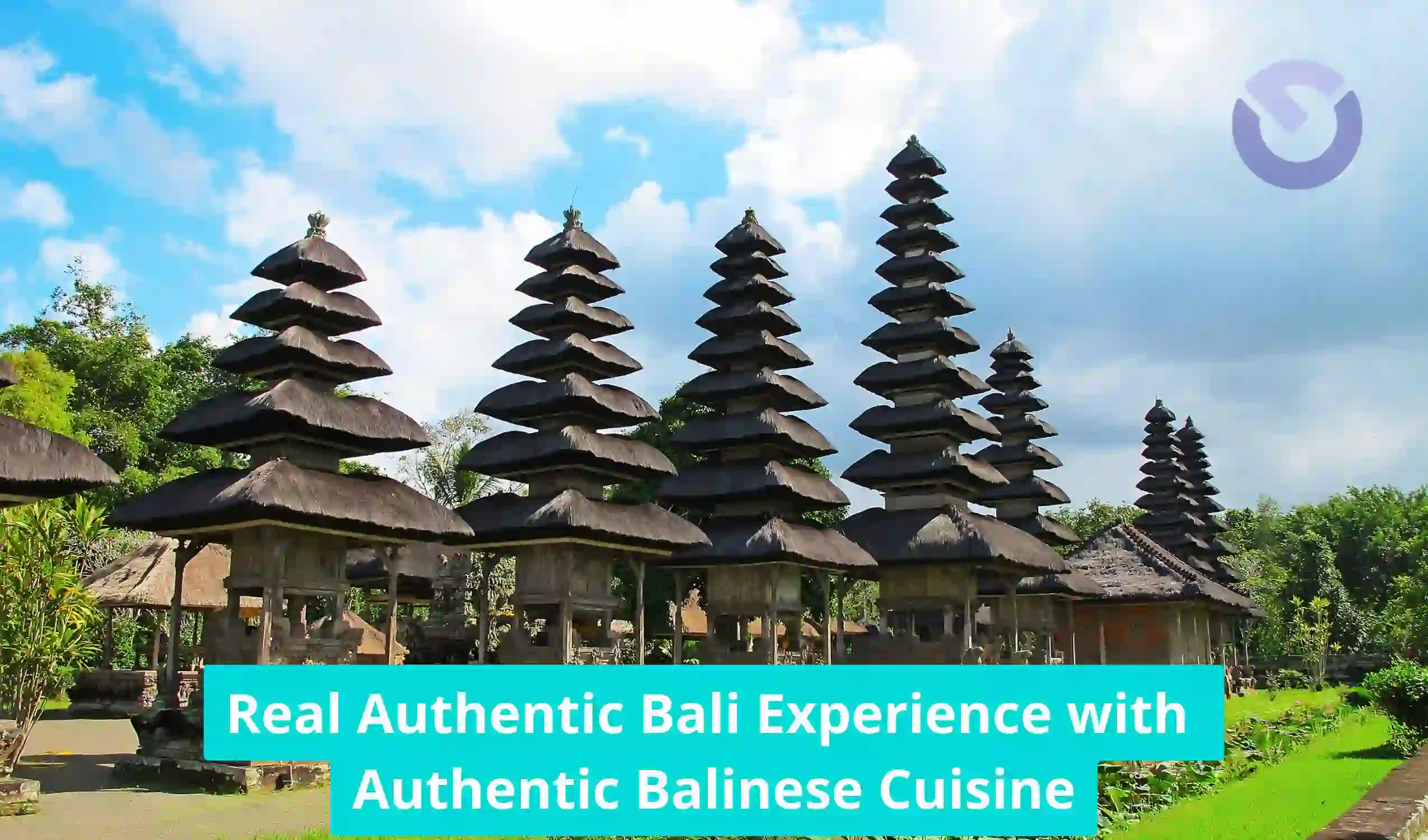
Real authentic Bali experience invites travelers to explore sacred temples, hidden villages, local traditions, authentic cuisine, and meaningful cultural connections beyond crowded tourist destinations.
Real Authentic Bali Experience That Feels Deep Personal and Unforgettable
Bali continues to attract millions of travelers every year. However, many visitors still leave the island without truly understanding its heart. A real authentic Bali experience goes far beyond beach clubs, crowded streets, and popular photo spots. Instead, it invites travelers to connect with local culture, sacred traditions, family communities, and the peaceful rhythm of Balinese life.
Today, more travelers search for meaningful experiences rather than ordinary vacations. They want to see how local people live, understand ancient traditions, taste authentic food, and explore hidden places that still preserve Bali’s original spirit. Therefore, authentic travel in Bali has become one of the fastest growing tourism trends in Indonesia.
Moreover, Bali offers a rare balance between spirituality, nature, art, and hospitality. From quiet rice terraces in remote villages to sacred temple ceremonies at sunrise, every part of the island reveals a different story. As a result, travelers who explore Bali deeply often describe their journey as emotional, transformative, and unforgettable.
This guide explains how to enjoy a real authentic Bali experience while respecting local culture and discovering the island beyond tourist crowds.
Why Travelers Search for a Real Authentic Bali Experience
Modern tourism has changed significantly over the last decade. Many travelers no longer want rushed itineraries filled only with famous attractions. Instead, they prefer cultural immersion, local interaction, and slower travel experiences.
According to Indonesia tourism reports, Bali welcomed millions of international visitors before global travel restrictions, and interest in cultural tourism continues to increase each year. In fact, searches related to authentic Bali villages, Balinese traditions, and local experiences have grown rapidly across travel platforms and search engines.
Furthermore, social media has inspired travelers to seek hidden gems rather than mainstream destinations. Nevertheless, many visitors still struggle to separate genuine cultural experiences from overly commercial activities. Therefore, choosing carefully becomes essential.
A real authentic Bali experience usually includes meaningful moments such as:
Real Authentic Bali Experience Through Traditional Balinese Ceremonies
Balinese Hindu ceremonies remain deeply connected to daily life. Unlike many destinations where culture exists mainly for tourism, Bali still practices ancient rituals every single day.
Travelers may witness temple offerings in the morning, purification ceremonies near sacred springs, or colorful religious processions through village streets. Additionally, many villages welcome respectful visitors who genuinely want to learn.
Real Authentic Bali Experience Through Local Village Interaction
Many authentic experiences happen outside major tourist centers. Villages in areas like Sidemen, Tabanan, and northern Bali still preserve traditional lifestyles.
Here, local families continue farming, weaving, carving wood, and preparing ceremonies using methods passed down through generations. Consequently, visitors gain a much deeper understanding of Balinese identity.
Real Authentic Bali Experience with Authentic Balinese Cuisine
Food also plays an important role in cultural discovery. Authentic Balinese dishes use complex spices, fresh herbs, and traditional cooking methods.
Instead of international restaurants, many travelers now search for family owned warungs where recipes remain unchanged for decades. Dishes such as Babi Guling, Lawar, Sate Lilit, and Bebek Betutu reflect the island’s cultural history and local ingredients.
Best Places for a Real Authentic Bali Experience
While southern Bali remains popular, authentic experiences often appear in quieter regions. Fortunately, the island still offers many untouched locations where local traditions remain strong.
Ubud and the Cultural Heart of Bali
Ubud continues to serve as Bali’s artistic and spiritual center. Although tourism has grown significantly, parts of Ubud still preserve authentic Balinese culture.
Travelers can visit traditional art markets, family compounds, ancient temples, and peaceful rice terraces surrounding the area. Moreover, Ubud offers opportunities to join Balinese cooking classes, purification rituals, and cultural workshops.
Early mornings in Ubud often reveal a completely different atmosphere compared to busy afternoons. Farmers walk through rice fields, temple offerings fill the streets, and local families prepare daily ceremonies before sunrise.
Sidemen and Traditional Village Life
Sidemen offers one of the most peaceful and authentic environments in Bali. Located in eastern Bali, this area features rice terraces, mountain views, and quiet villages untouched by mass tourism.
Unlike crowded destinations, Sidemen moves slowly. Local residents still weave traditional textiles, farm rice fields, and maintain strong community traditions.
Additionally, visitors often stay in family owned accommodations surrounded by nature. This creates a more personal connection between travelers and local culture.
Many travelers who visit Sidemen describe it as the Bali they imagined before arriving on the island.
Munduk and Northern Bali Nature
Northern Bali feels dramatically different from the south. The weather becomes cooler, waterfalls appear throughout the mountains, and tourism remains relatively limited.
Munduk combines natural beauty with authentic village life. Coffee plantations, spice farms, and forest trails surround the region. Consequently, travelers can experience Bali’s agricultural heritage while enjoying peaceful landscapes.
Moreover, local guides often share stories about Balinese farming traditions and spiritual beliefs connected to nature.
Tenganan Ancient Bali Village
Tenganan represents one of Bali’s oldest traditional villages. The community follows ancient customs that differ from many other parts of Bali.
Visitors can learn about traditional architecture, sacred ceremonies, and the famous double ikat weaving technique known as Geringsing. Since local traditions remain highly respected, travelers should dress modestly and follow community guidelines carefully.
Nevertheless, respectful visitors often gain valuable insight into one of Bali’s most unique cultural communities.
How to Experience Authentic Balinese Culture Respectfully
Experiencing authentic Bali requires more than simply visiting traditional locations. Respect and cultural awareness play an essential role throughout the journey.
Dress respectfully at temples
Temples remain sacred places for Balinese Hindus. Therefore, visitors should wear modest clothing and follow local customs.
Most temples require sarongs and sashes before entering. Additionally, travelers should avoid loud behavior and always ask permission before photographing ceremonies.
Support local businesses
Authentic tourism becomes more meaningful when travelers support local communities directly.
Family owned guesthouses, local guides, traditional markets, and village restaurants help preserve cultural traditions while supporting the local economy. Consequently, tourism benefits communities rather than large international companies alone.
Learn basic Balinese etiquette
Simple gestures create stronger connections with local people. For example, greeting locals politely, accepting offerings respectfully, and understanding temple etiquette show appreciation for Balinese culture.
Furthermore, Balinese hospitality often becomes warmer when visitors demonstrate genuine curiosity and respect.
Participate thoughtfully in cultural activities
Many travelers join purification rituals, cooking classes, or traditional workshops during their trip. However, these experiences should focus on learning rather than entertainment alone.
A real authentic Bali experience allows travelers to appreciate culture deeply instead of treating traditions as social media content.
Hidden Experiences That Reveal the Real Bali
Beyond famous attractions, Bali offers smaller moments that often become the most memorable.
Sunrise at local rice terraces
Early morning walks through rice fields reveal peaceful landscapes before tourist crowds arrive. Farmers begin working at sunrise while mountain mist covers the terraces.
Moreover, many villages still use traditional Subak irrigation systems recognized by UNESCO for their cultural importance.
Balinese market mornings
Traditional markets provide insight into daily island life. Local residents shop for vegetables, flowers, spices, meat, and ceremonial items before sunrise.
Unlike tourist markets, these spaces feel energetic, colorful, and deeply connected to local routines.
Family compound visits
Balinese family compounds often include shrines, shared spaces, kitchens, and ceremonial areas. Some local families invite travelers to learn about their daily lives and traditions.
This experience offers rare insight into Balinese family structures, spirituality, and community values.
Traditional dance performances in villages
While tourist shows exist across Bali, village performances often feel more intimate and spiritually connected.
Dances such as Legong, Barong, and Kecak originally developed as sacred storytelling traditions rather than tourist entertainment. Therefore, watching performances in local villages often creates a deeper cultural connection.
Real Authentic Bali Experience Through Food
Food reflects Bali’s identity, spirituality, and agricultural heritage. Consequently, culinary experiences remain one of the best ways to understand local culture.
Balinese cooking classes
Cooking classes often begin with visits to traditional markets where travelers learn about spices, herbs, and local ingredients.
Afterward, participants prepare traditional dishes using authentic techniques passed down through generations.
Additionally, cooking with local families creates meaningful conversations about culture, religion, and daily life in Bali.
Traditional warungs
Small local restaurants known as warungs offer some of the island’s most authentic meals.
Travelers searching for genuine Balinese flavors often prefer warungs over luxury restaurants because the atmosphere feels more personal and traditional.
Popular dishes include:
Babi Guling
Slow roasted pork with rich spices and crispy skin.
Lawar
Traditional vegetable and coconut mixture often served during ceremonies.
Sate Lilit
Minced seafood or meat wrapped around lemongrass sticks.
Bebek Betutu
Slow cooked duck prepared with aromatic Balinese spices.
Spiritual Experiences in Bali
Spirituality shapes everyday life across Bali. Unlike many destinations where religion remains separate from daily routines, Bali integrates spirituality into homes, businesses, villages, and public spaces.
Water purification rituals
Many travelers participate in traditional purification ceremonies at sacred water temples such as Tirta Empul.
These rituals symbolize spiritual cleansing and inner reflection. However, respectful participation remains essential because these ceremonies hold deep religious meaning for local communities.
Meditation and healing retreats
Bali has become a global destination for wellness and mindfulness. Nevertheless, authentic retreats focus on genuine healing traditions rather than luxury trends alone.
Many retreats combine meditation, yoga, nature, and Balinese spiritual philosophy to create meaningful personal experiences.
Temple ceremonies
Balinese temple festivals often include music, dance, offerings, and community gatherings. Since ceremonies follow the Balinese calendar, travelers may unexpectedly witness beautiful cultural events throughout the island.
These moments often become highlights of a real authentic Bali experience because they reveal the island’s spiritual soul.
Sustainable Travel and Authentic Bali Tourism
Responsible tourism plays a crucial role in protecting Bali’s culture and environment.
Over tourism has created challenges in some regions, including traffic congestion, waste management issues, and cultural commercialization. Therefore, travelers increasingly seek sustainable experiences that support local communities responsibly.
Choosing eco friendly accommodations, reducing plastic waste, respecting sacred spaces, and supporting local businesses all contribute positively to Bali’s future.
Moreover, authentic tourism often creates deeper satisfaction because travelers connect more genuinely with people and places.
Best Time to Enjoy a Real Authentic Bali Experience
Bali remains beautiful throughout the year. However, certain seasons offer different advantages.
The dry season between April and October usually provides sunny weather and easier travel conditions. Consequently, many travelers prefer this period for outdoor activities and cultural exploration.
Meanwhile, the rainy season between November and March brings greener landscapes, fewer crowds, and quieter villages. Some travelers actually prefer this atmosphere because it feels calmer and more authentic.
Additionally, visiting during major Balinese festivals can create unforgettable cultural experiences. Events such as Galungan and Nyepi reveal unique aspects of Balinese spirituality and community traditions.
Real Authentic Bali Experience Compared to Mainstream Tourism
Mainstream tourism often focuses on convenience, entertainment, and famous attractions. In contrast, authentic travel emphasizes connection, understanding, and meaningful discovery.
Luxury resorts and beach clubs certainly attract many visitors. However, travelers who explore villages, traditions, and local communities usually develop a stronger emotional connection with Bali.
Furthermore, authentic experiences often create lasting memories because they involve real human interaction rather than simple sightseeing.
A peaceful conversation with a local farmer, participation in a temple ceremony, or learning traditional cooking techniques can leave a deeper impression than crowded tourist attractions.
Frequently Asked Questions About Real Authentic Bali Experience
What is considered a real authentic Bali experience
A real authentic Bali experience involves meaningful interaction with local culture, traditions, villages, cuisine, spirituality, and community life beyond typical tourist attractions.
Which area in Bali feels the most authentic
Areas such as Sidemen, Munduk, Tenganan, and parts of northern Bali often feel more authentic because they preserve traditional lifestyles and experience fewer tourist crowds.
Is Ubud still authentic
Yes, parts of Ubud still preserve strong cultural traditions despite increasing tourism. Travelers who explore beyond central tourist areas can still experience authentic Balinese culture.
How can tourists respect Balinese culture
Visitors should dress modestly at temples, support local businesses, follow cultural guidelines, and approach traditions with genuine respect and curiosity.
What food should I try for an authentic Bali experience
Travelers should try Babi Guling, Lawar, Sate Lilit, and Bebek Betutu at local warungs or family owned restaurants.
When is the best time to experience authentic Bali
The dry season offers easier travel conditions, while the rainy season provides quieter villages and greener landscapes. Both seasons can deliver authentic experiences depending on travel preferences.
Discover the Real Side of Bali
Bali offers far more than famous beaches and crowded tourist attractions. A real authentic Bali experience reveals sacred traditions, warm local communities, peaceful landscapes, and meaningful cultural moments that remain unforgettable long after the journey ends.
Travelers who slow down, explore respectfully, and connect genuinely with local life often discover the true spirit of the island. Therefore, choosing authentic experiences transforms an ordinary vacation into something deeply personal and inspiring.
If you want to explore hidden villages, cultural traditions, spiritual journeys, and unforgettable landscapes across Bali, discover curated experiences through Real Authentic Bali Experience.





Leave a Comment