
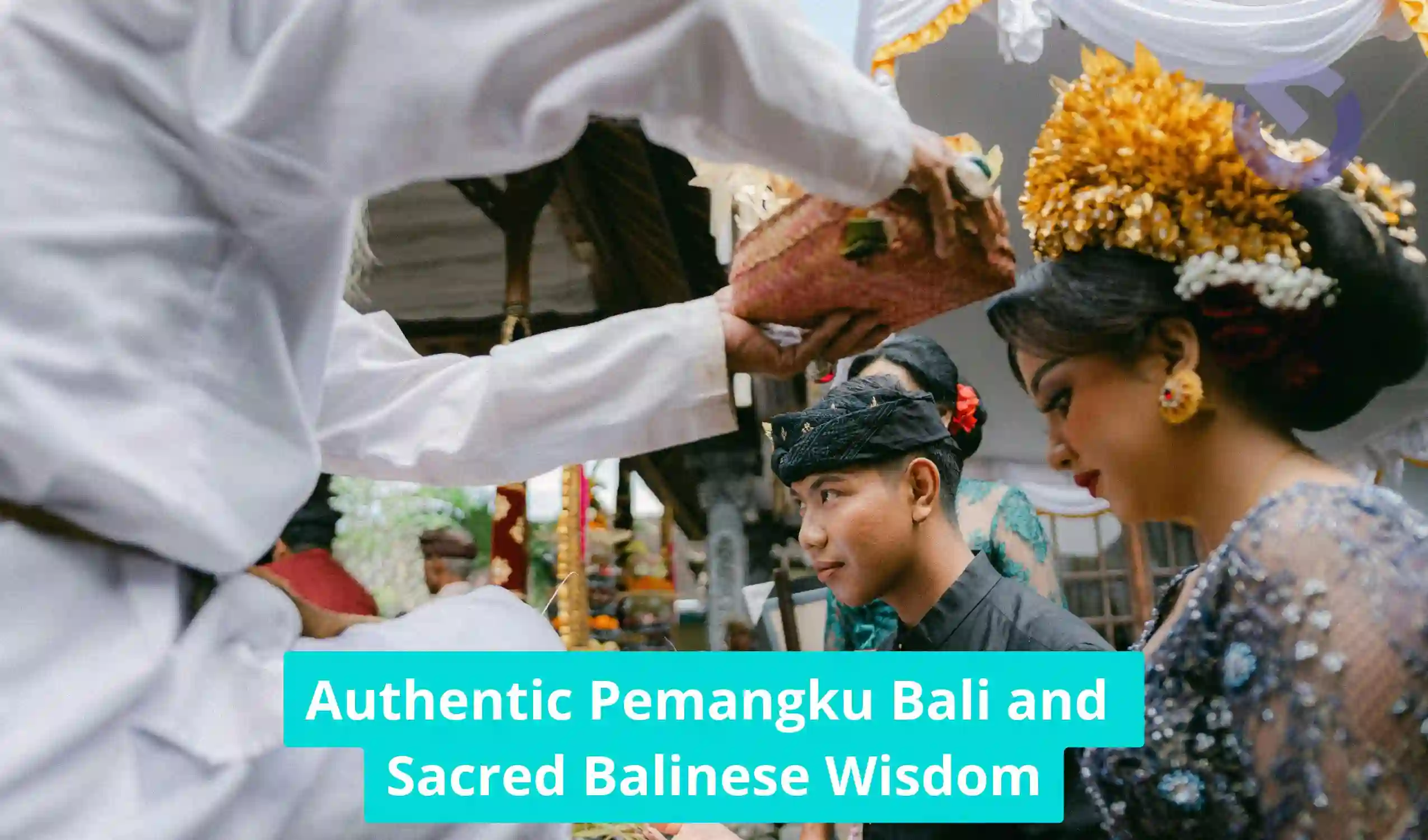
Discover the meaning of authentic pemangku Bali traditions, sacred temple rituals, spiritual guidance, and cultural immersion experiences in Bali.
Authentic Pemangku Bali and the Living Spirit of Balinese Culture
Bali offers far more than tropical beaches and luxury resorts. Beyond the famous destinations, the island preserves a deeply spiritual way of life that continues to shape daily routines, family traditions, temple ceremonies, and community values. At the center of this spiritual heritage stands the authentic pemangku Bali figure who serves as a guardian of sacred rituals and cultural harmony.
For many travelers, meeting an authentic pemangku Bali becomes one of the most meaningful moments during their journey. Unlike commercialized spiritual attractions, genuine interactions with a Balinese priest reveal a living tradition rooted in devotion, balance, and ancestral wisdom. Consequently, visitors often gain a deeper understanding of Bali beyond tourism.
Today, cultural travelers increasingly search for authentic Balinese spiritual experiences because they want real human connections instead of superficial sightseeing. Therefore, understanding the role of a pemangku can transform an ordinary holiday into a memorable cultural encounter filled with insight and respect.
Understanding the Meaning of Authentic Pemangku Bali
An authentic pemangku Bali refers to a traditional Balinese Hindu priest who leads ceremonies, protects sacred spaces, and maintains spiritual balance within the community. Unlike high priests known as Pedanda, pemangku usually serve local temples and village communities directly.
In Balinese Hinduism, spirituality connects closely with everyday life. As a result, pemangku participate in numerous ceremonies related to birth, purification, marriage, agriculture, temple anniversaries, and cremation rituals. Their responsibilities extend beyond religious activities because they also help preserve harmony between humans, nature, and the spiritual world.
Moreover, authentic pemangku Bali traditions continue through generations. Many pemangku receive spiritual callings through family lineage, dreams, meditation, or sacred signs recognized by local communities. This process strengthens their cultural authority and spiritual credibility.
Travelers who respectfully engage with these traditions often notice that ceremonies feel deeply personal rather than staged for tourism. That authenticity creates emotional experiences that remain memorable long after leaving Bali.
Why Travelers Seek Authentic Balinese Spiritual Experiences
Modern tourism has changed significantly over the past decade. Travelers now prefer meaningful experiences that allow cultural immersion and emotional connection. Consequently, authentic Balinese spirituality attracts visitors who seek deeper understanding instead of ordinary sightseeing tours.
An authentic pemangku Bali experience often includes temple blessings, purification rituals, traditional offerings, spiritual conversations, and insights into Balinese philosophy. These encounters help visitors appreciate how spirituality influences architecture, farming systems, family life, and artistic expression throughout the island.
Additionally, many visitors feel drawn toward Bali because of the island’s calm energy and ceremonial atmosphere. Daily offerings called canang sari appear everywhere from homes and shops to beaches and temples. Meanwhile, sacred music, incense, and prayers create an environment that feels spiritually alive.
Because of this cultural depth, Bali has become a global destination for mindful travel and spiritual tourism. However, experienced travelers increasingly prefer ethical and respectful cultural experiences guided by local communities rather than commercial performances designed purely for entertainment.
Authentic Pemangku Bali and Sacred Temple Ceremonies
Temple ceremonies form the heart of Balinese spiritual life. Every village maintains temples that host regular rituals throughout the Balinese calendar. During these ceremonies, authentic pemangku Bali leaders conduct prayers, blessings, and purification processes for the community.
Ceremonies often include traditional dance, gamelan music, flower offerings, holy water rituals, and symbolic processions. Each element carries philosophical meaning connected to harmony and gratitude. Therefore, understanding the context behind these rituals enriches the visitor experience significantly.
One important concept within Balinese Hinduism is Tri Hita Karana. This philosophy emphasizes harmony between humans, nature, and the divine. Consequently, many spiritual ceremonies aim to maintain balance across these relationships.
Visitors who attend ceremonies respectfully often witness extraordinary moments of devotion and collective unity. Women carry elaborate offerings on their heads, families gather in ceremonial clothing, and temple courtyards fill with incense and prayer. Unlike staged cultural attractions, these ceremonies remain deeply integrated into community life.
However, respectful behavior remains essential. Visitors should wear appropriate temple attire, follow local guidance, avoid interrupting rituals, and ask permission before taking photographs.
How to Recognize an Authentic Pemangku Bali Experience
As Bali’s tourism industry expands, many travelers wonder how to distinguish genuine spiritual experiences from commercialized alternatives. Fortunately, several characteristics usually indicate authenticity.
An authentic pemangku Bali experience focuses on cultural respect and education rather than theatrical performance. The atmosphere typically feels calm, sincere, and community based. Instead of promising mystical shortcuts or exaggerated spiritual claims, authentic guides explain Balinese traditions with humility and clarity.
Furthermore, real spiritual experiences often take place within functioning temples, traditional villages, or family compounds connected to local communities. Visitors may interact directly with local families and observe daily customs naturally integrated into village life.
Another important sign involves pacing. Authentic cultural immersion does not rush ceremonies for entertainment purposes. Instead, experiences unfold naturally according to local rhythms and religious practices.
Additionally, genuine cultural guides encourage respectful participation rather than passive observation. Travelers may learn how to prepare offerings, understand symbolic rituals, or participate in purification ceremonies guided by local wisdom.
The Cultural Importance of Balinese Offerings
One of the most recognizable aspects of Balinese culture involves the daily preparation of offerings. These small handcrafted arrangements symbolize gratitude, balance, and devotion.
Authentic pemangku Bali traditions often teach visitors about the deeper meaning behind these offerings. Flowers represent sincerity, incense symbolizes prayer, and carefully arranged elements reflect harmony between material and spiritual life.
Interestingly, Balinese families create offerings every day despite busy schedules. This consistent practice demonstrates how spirituality remains integrated into ordinary routines rather than separated into occasional religious events.
For travelers, learning about offerings creates greater appreciation for Balinese culture. Instead of viewing ceremonies as visual spectacles, visitors begin understanding the philosophical values that shape island life.
Moreover, participating respectfully in offering workshops or temple preparations can create memorable cultural exchanges that support local communities and preserve traditional knowledge.
Authentic Pemangku Bali and Traditional Purification Rituals
Purification rituals known as melukat attract many visitors interested in Balinese spirituality. These ceremonies typically involve sacred water used for cleansing negative energy, restoring balance, and promoting spiritual renewal.
An authentic pemangku Bali guides participants through the ritual with prayers and symbolic gestures rooted in Balinese Hindu traditions. Unlike commercial wellness trends, melukat ceremonies carry deep cultural and religious significance for local communities.
Sacred water temples across Bali continue to serve both local worshippers and respectful visitors. During these rituals, participants usually wear traditional temple clothing and follow ceremonial instructions carefully.
Furthermore, purification ceremonies often encourage reflection, gratitude, and mindfulness. Many travelers describe these experiences as emotionally calming because they combine natural beauty with spiritual symbolism.
Nevertheless, respectful participation remains essential. Visitors should approach ceremonies with sincerity rather than treating them as social media opportunities or entertainment content.
Balinese Villages Where Spiritual Traditions Remain Strong
Several villages throughout Bali maintain strong spiritual traditions connected to authentic pemangku Bali communities. These areas often preserve ceremonial practices, traditional architecture, and local customs more deeply than heavily commercialized tourism zones.
Villages near Ubud frequently host cultural immersion experiences focused on spirituality, art, and community traditions. Meanwhile, eastern Bali preserves ancient temple networks and ceremonial practices connected to royal heritage.
In addition, mountain villages maintain agricultural rituals linked to rice cultivation and water temple systems. These traditions demonstrate how Balinese spirituality connects closely with environmental stewardship and communal cooperation.
Travelers who explore traditional villages respectfully often discover quieter and more meaningful perspectives on Bali. Instead of crowded attractions, they encounter daily life shaped by ceremony, craftsmanship, and ancestral values.
Consequently, cultural immersion tourism continues growing among visitors who seek authentic human experiences rather than mass tourism environments.
Ethical Cultural Tourism in Bali
Responsible tourism plays an important role in preserving authentic pemangku Bali traditions for future generations. As tourism grows, local communities face increasing pressure from commercialization and cultural misunderstanding.
Ethical travelers support experiences that prioritize local participation, fair compensation, cultural education, and respectful interaction. Therefore, choosing community based cultural experiences helps protect sacred traditions while supporting village economies.
Additionally, respectful tourism encourages cultural exchange instead of cultural consumption. Visitors learn about local customs while communities maintain control over how traditions are shared with outsiders.
Travelers can support ethical tourism by following temple etiquette, dressing respectfully, asking questions politely, and choosing guides connected to local communities. Small actions often create more meaningful interactions and positive cultural impact.
Moreover, authentic experiences usually leave travelers with greater appreciation for Balinese values related to harmony, gratitude, spirituality, and environmental balance.
Authentic Pemangku Bali and the Rise of Conscious Travel
Global travel trends increasingly favor conscious and experience based tourism. Many travelers now prioritize emotional connection, cultural learning, and personal transformation during their journeys.
Because of this shift, authentic pemangku Bali experiences attract visitors interested in spirituality, mindfulness, anthropology, and traditional wisdom. Rather than collecting tourist photographs alone, these travelers seek deeper understanding and human connection.
Furthermore, Bali’s spiritual identity continues influencing wellness tourism worldwide. Yoga retreats, meditation programs, and cultural immersion experiences frequently incorporate Balinese philosophical concepts centered on balance and harmony.
However, authentic spiritual experiences differ greatly from commercial wellness marketing. Genuine cultural encounters emerge through respect, patience, and openness to learning from local communities.
Travelers who approach Bali with humility often discover that the island offers valuable lessons about simplicity, gratitude, and interconnected living.
Authentic Balinese Cultural Immersion for Meaningful Travel
Many visitors spend only a few days exploring Bali’s beaches and restaurants. Nevertheless, travelers who participate in authentic cultural immersion often describe their experiences as life changing.
Meeting an authentic pemangku Bali allows visitors to witness spiritual traditions that continue shaping island life today. Through ceremonies, temple visits, conversations, and village experiences, travelers gain insight into the cultural foundation behind Bali’s global reputation for peace and beauty.
Additionally, cultural immersion creates opportunities for genuine connection with local communities. Visitors learn directly from Balinese families rather than through commercial tourism narratives alone.
These experiences often include traditional food, offering preparation, ceremonial clothing, temple etiquette, and storytelling connected to Balinese history and spirituality. Consequently, travelers leave with richer understanding and deeper appreciation.
For visitors seeking a respectful and immersive journey into Bali’s living traditions, cultural experiences guided by local communities provide meaningful alternatives to ordinary tourism activities.
Explore a deeper side of Bali through this immersive cultural journey offered by Gates of Bali and experience authentic Balinese spirituality with local guidance.
FAQ About Authentic Pemangku Bali
What is an authentic pemangku Bali
An authentic pemangku Bali is a traditional Balinese Hindu priest who leads ceremonies, protects sacred temples, and guides spiritual practices within local communities.
Can tourists join Balinese purification ceremonies
Yes. Respectful visitors can participate in certain purification rituals when guided properly by local communities or experienced cultural guides.
What should visitors wear during temple visits in Bali
Visitors should wear modest clothing including a sarong and sash. Temples usually provide guidance regarding appropriate attire and behavior.
Why are Balinese offerings important
Offerings symbolize gratitude, balance, and devotion within Balinese Hindu culture. Families create them daily as part of spiritual practice.
How can travelers find authentic cultural experiences in Bali
Travelers should choose community based experiences connected to local villages, respected cultural guides, and authentic spiritual traditions rather than heavily commercialized attractions.
Conclusion
The authentic pemangku Bali tradition represents far more than ceremonial ritual. It reflects a living philosophy centered on balance, gratitude, spirituality, and harmony with nature. Through respectful cultural immersion, travelers can experience a deeper side of Bali that extends beyond luxury tourism and social media imagery.
As interest in meaningful travel continues growing, authentic Balinese spiritual experiences offer valuable opportunities for cultural understanding and personal reflection. Moreover, supporting ethical cultural tourism helps preserve these sacred traditions for future generations.
For travelers who seek genuine connection and insight, Bali’s spiritual heritage remains one of the island’s most extraordinary treasures.





Leave a Comment