
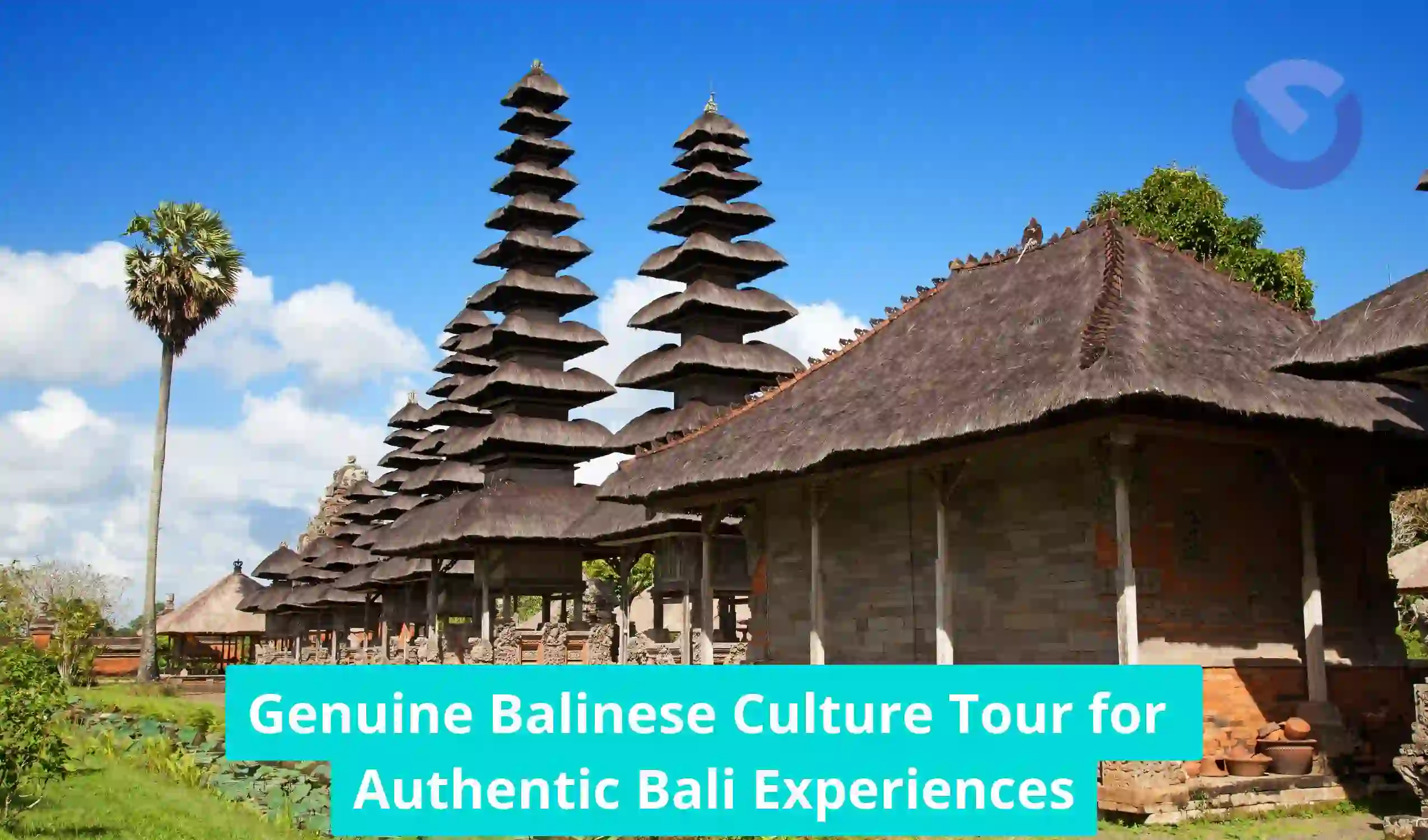
Genuine Balinese Culture Tour invites travelers to discover sacred temples, traditional villages, authentic cuisine, local ceremonies, and meaningful cultural experiences across Bali.
Genuine Balinese Culture Tour for Travelers Seeking the True Spirit of Bali
Bali offers more than tropical beaches and luxury resorts. Behind its famous landscapes, the island preserves a rich cultural identity shaped by spirituality, tradition, community, and artistic heritage. Therefore, travelers who want deeper experiences often search for a genuine Balinese culture tour instead of ordinary sightseeing activities.
A genuine Balinese culture tour allows visitors to connect directly with local life. Rather than rushing between crowded attractions, travelers explore sacred temples, traditional villages, family compounds, rice terraces, and cultural ceremonies that reveal the real soul of Bali.
Moreover, Balinese culture remains deeply active in everyday life. Local residents still prepare daily offerings, celebrate traditional festivals, maintain ancient irrigation systems, and preserve sacred rituals passed down through generations. As a result, Bali continues to stand out as one of the world’s most culturally unique destinations.
Today, many travelers prefer meaningful journeys that create emotional connections and authentic memories. Consequently, cultural tourism in Bali continues to grow among visitors seeking genuine interaction rather than commercial experiences alone.
This guide explains how a genuine Balinese culture tour creates unforgettable moments while helping travelers discover the authentic heart of the island.
Why a Genuine Balinese Culture Tour Feels Different
Many destinations promote cultural tourism. However, Bali integrates tradition into daily life more naturally than most places around the world.
Balinese Hindu philosophy shapes architecture, ceremonies, farming systems, dance, music, and community relationships. Consequently, culture does not exist only for visitors. Instead, local traditions remain part of normal daily routines throughout the island.
For example, travelers often see fresh flower offerings placed outside homes and temples every morning. Additionally, traditional ceremonies regularly take place in villages, creating colorful processions filled with music, prayer, and community gatherings.
Furthermore, Bali maintains a strong connection between spirituality and nature. Mountains, rivers, forests, and temples hold sacred meaning within Balinese belief systems. Therefore, cultural experiences in Bali often feel peaceful, emotional, and deeply personal.
A genuine Balinese culture tour usually includes direct experiences such as:
Genuine Balinese Culture Tour Through Traditional Balinese Villages
Traditional villages preserve architecture, customs, and community systems that have existed for centuries. Local families often welcome respectful travelers who want to learn about Balinese daily life.
Genuine Balinese Culture Tour with Sacred Ceremonies
Ceremonies remain an essential part of Balinese culture. Travelers may encounter temple festivals, purification rituals, or community celebrations during their journey.
Exploring local arts and crafts
Balinese art reflects spiritual beliefs and cultural identity. Wood carving, silver making, painting, and textile weaving continue to thrive across many villages.
Learning authentic Balinese cooking
Traditional Balinese cuisine combines local herbs, spices, and cooking techniques influenced by generations of cultural heritage.
Best Destinations for a Genuine Balinese Culture Tour
Different regions across Bali offer unique cultural experiences. Nevertheless, several areas stand out for preserving strong traditional identity.
Ubud and the Artistic Soul of Bali
Ubud remains one of the most popular destinations for cultural exploration. Surrounded by rice terraces, temples, and traditional villages, this area combines art, spirituality, and nature beautifully.
Travelers can visit traditional dance performances, local art galleries, sacred temples, and Balinese family compounds. Moreover, many cultural workshops allow visitors to learn wood carving, batik painting, silver crafting, and cooking directly from local artisans.
Although tourism has grown significantly in Ubud, many surrounding villages still preserve authentic Balinese traditions and peaceful lifestyles.
Sidemen and Traditional Village Life
Sidemen offers a slower and more authentic atmosphere compared to busy tourist centers. Located in eastern Bali, this region features green rice terraces, mountain views, and quiet villages surrounded by nature.
Local communities continue farming, weaving traditional textiles, and preparing ceremonies using ancestral methods. Consequently, travelers often experience a stronger connection with local culture here.
Additionally, many accommodations in Sidemen are family owned, creating more personal interactions between visitors and residents.
Tenganan and Ancient Balinese Traditions
Tenganan represents one of Bali’s oldest traditional villages. The local community follows ancient customs that differ from many other parts of the island.
Visitors can explore unique village layouts, traditional ceremonies, and the famous Geringsing textile weaving process. Since local traditions remain highly respected, travelers should always dress modestly and follow cultural etiquette carefully.
Nevertheless, a visit to Tenganan provides valuable insight into Bali’s ancient cultural heritage.
Munduk and Cultural Nature Experiences
Northern Bali offers cooler weather, peaceful mountain scenery, and authentic village life. Munduk combines waterfalls, coffee plantations, spice farms, and local traditions within one beautiful region.
Travelers often enjoy guided walks through plantations while learning about traditional farming systems and Balinese relationships with nature.
Moreover, the slower pace of northern Bali allows visitors to experience local hospitality more naturally.
Sacred Temples in a Genuine Balinese Culture Tour
Temples hold extraordinary importance in Balinese culture. Since spirituality shapes daily life throughout the island, temples remain active places of worship rather than tourist attractions alone.
Besakih Temple and Bali’s Mother Temple
Located on the slopes of Mount Agung, Besakih Temple serves as Bali’s largest and most sacred temple complex.
The temple contains multiple shrines connected to Balinese Hindu beliefs and spiritual ceremonies. Furthermore, the surrounding mountain scenery creates a powerful atmosphere that many travelers describe as deeply spiritual.
Tirta Empul and Sacred Water Rituals
Tirta Empul attracts visitors seeking traditional purification experiences. Natural spring water flows through sacred bathing pools used for spiritual cleansing rituals.
Many travelers join purification ceremonies respectfully while learning about the spiritual meaning behind the tradition. Consequently, this experience often becomes one of the most memorable parts of a genuine Balinese culture tour.
Ulun Danu Beratan and Spiritual Landscapes
Located beside Lake Beratan, Ulun Danu Temple combines natural beauty with cultural significance. Misty mountains, peaceful water, and traditional architecture create one of Bali’s most iconic spiritual landscapes.
Additionally, the temple reflects the Balinese philosophy of harmony between humans, nature, and spirituality.
Traditional Balinese Culture and Daily Life
One reason travelers seek a genuine Balinese culture tour involves the opportunity to witness daily life directly.
Unlike destinations where culture feels staged, Bali continues practicing traditions naturally within communities.
Daily offerings and spiritual devotion
Balinese families prepare small flower offerings called Canang Sari every day. These offerings symbolize gratitude and spiritual balance.
Travelers often notice offerings placed outside homes, shops, temples, and streets across the island. Although simple, this tradition reflects Bali’s strong spiritual foundation.
Community cooperation and village life
Balinese communities value collective responsibility and social harmony. Villagers often work together during ceremonies, temple events, and community projects.
This system strengthens relationships between families while preserving traditional customs across generations.
Traditional farming and rice terraces
Rice farming remains an important cultural and spiritual activity in Bali. The famous Subak irrigation system demonstrates how communities manage water collectively through ancient cooperative methods.
UNESCO recognized Bali’s cultural landscape partly because of this traditional farming heritage.
Authentic Food Experiences in Bali
Food plays a central role in Balinese culture. Therefore, culinary experiences often become highlights of cultural tours across the island.
Traditional Balinese dishes
Authentic Balinese cuisine uses rich spices, fresh herbs, coconut, and locally sourced ingredients.
Popular dishes include:
Babi Guling
Slow roasted pork seasoned with traditional Balinese spices.
Sate Lilit
Minced seafood or meat wrapped around lemongrass sticks before grilling.
Lawar
Traditional vegetable and coconut mixture often prepared during ceremonies.
Bebek Betutu
Slow cooked duck infused with aromatic herbs and spices.
Local market visits
Traditional markets reveal daily life in a vibrant and authentic way. Early mornings bring busy scenes filled with fresh produce, flowers, spices, and ceremonial items.
Furthermore, local guides often explain how ingredients connect to Balinese traditions and religious ceremonies.
Cooking classes with local families
Cooking classes allow travelers to prepare authentic dishes while learning directly from Balinese families.
Many classes begin with market visits before moving into traditional kitchens surrounded by village life. Consequently, visitors gain cultural understanding alongside culinary skills.
Traditional Arts in a Genuine Balinese Culture Tour
Balinese art reflects spirituality, storytelling, and cultural identity. Therefore, artistic experiences often become essential parts of cultural journeys.
Genuine Balinese Culture Tour and Balinese Dance
Traditional dances such as Legong, Barong, and Kecak combine movement, music, and mythology.
Although performances exist for tourists, many village ceremonies still include authentic sacred dances connected to religious traditions.
Wood carving and silver craftsmanship
Villages like Mas and Celuk remain famous for traditional craftsmanship. Local artisans continue creating detailed carvings, jewelry, and ceremonial art using skills inherited from previous generations.
Travelers often enjoy watching artisans work while learning about symbolic meanings behind their creations.
Balinese painting traditions
Balinese paintings frequently depict mythology, nature, spirituality, and village life. Ubud especially became internationally recognized for its artistic communities and traditional painting styles.
Spiritual Wellness and Cultural Connection
Many travelers discover emotional healing during a genuine Balinese culture tour. Bali’s peaceful atmosphere, spiritual traditions, and natural beauty create powerful opportunities for reflection and mindfulness.
Genuine Balinese Culture Tour with Yoga and Meditation Retreats
Bali attracts visitors from around the world seeking wellness experiences connected to nature and spirituality.
Authentic retreats often combine meditation, yoga, cultural learning, and local healing traditions within peaceful environments.
Purification ceremonies and self reflection
Traditional purification rituals encourage emotional renewal and spiritual reflection. Although visitors may participate respectfully, understanding cultural meaning remains essential.
These ceremonies often help travelers feel more connected to themselves and the surrounding environment.
Genuine Balinese Culture Tour with Sustainable Cultural Preservation
Responsible tourism helps protect Bali’s cultural identity for future generations.
Over tourism has created environmental and cultural challenges in some areas. Consequently, travelers increasingly choose experiences that support local communities and preserve traditional values.
Supporting family owned businesses, respecting sacred spaces, reducing waste, and learning local etiquette all contribute positively to sustainable tourism in Bali.
Moreover, authentic travel experiences often benefit both visitors and local residents more meaningfully than mass tourism activities.
Best Time for a Genuine Balinese Culture Tour
Bali offers cultural experiences throughout the year. However, different seasons provide unique advantages.
The dry season between April and October brings sunny weather and easier travel conditions. Therefore, many travelers prefer this period for village exploration and outdoor activities.
Meanwhile, the rainy season creates greener landscapes, quieter villages, and fewer tourist crowds. Some visitors actually prefer this atmosphere because it feels calmer and more authentic.
Additionally, visiting during Balinese festivals such as Galungan or Nyepi offers extraordinary cultural insight rarely found elsewhere in the world.
How a Genuine Balinese Culture Tour Creates Lasting Memories
Authentic cultural travel creates deeper emotional impact compared to ordinary vacations.
Rather than simply taking photographs, travelers build meaningful connections through conversations, traditions, food, spirituality, and shared experiences with local communities.
A sunrise walk through rice terraces, participation in a temple ceremony, or dinner with a Balinese family often leaves stronger memories than crowded tourist attractions.
Furthermore, many visitors leave Bali with greater appreciation for simplicity, balance, community values, and spiritual awareness.
Frequently Asked Questions About Genuine Balinese Culture Tour
What is a genuine Balinese culture tour
A genuine Balinese culture tour focuses on authentic cultural experiences such as traditional villages, temples, ceremonies, cuisine, arts, and local community interaction.
Which area in Bali offers the best cultural experiences
Ubud, Sidemen, Tenganan, and northern Bali provide some of the island’s most authentic cultural experiences.
Can tourists join Balinese ceremonies
Yes, respectful visitors may observe or sometimes participate in ceremonies when invited by local communities or guides.
What should visitors wear during cultural tours
Travelers should wear modest clothing, especially when visiting temples or attending ceremonies.
Is Balinese culture still authentic despite tourism
Yes, many communities continue practicing traditional customs, spirituality, arts, and ceremonies naturally within daily life.
What food should travelers try during a cultural tour
Travelers should experience traditional dishes such as Babi Guling, Lawar, Sate Lilit, and Bebek Betutu for authentic Balinese flavors.
Genuine Balinese Culture Tour to Experience the True Heart of Bali
A genuine Balinese culture tour offers far more than sightseeing. It creates meaningful moments through spirituality, tradition, local hospitality, art, and authentic human connection.
Travelers who explore beyond crowded tourist areas often discover a deeper side of Bali filled with peace, culture, and unforgettable experiences. Consequently, cultural journeys across the island continue inspiring visitors from around the world.
If you want to explore sacred temples, traditional villages, local ceremonies, and authentic Balinese experiences, discover curated cultural journeys through Genuine Balinese Culture Tour.





Leave a Comment