
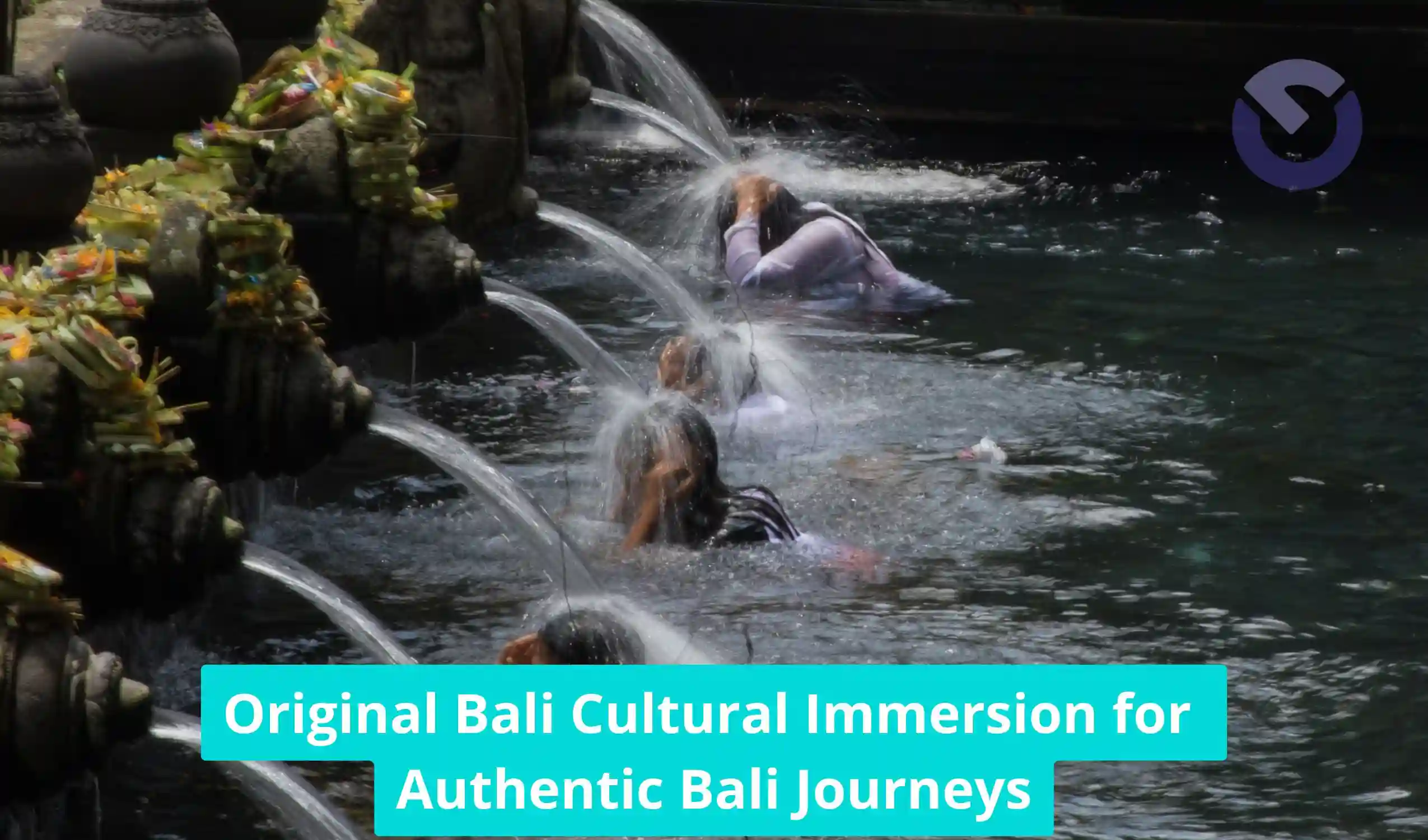
Original Bali cultural immersion reveals sacred temples, traditional villages, authentic cuisine, local ceremonies, and meaningful cultural experiences across Bali.
Original Bali Cultural Immersion for Authentic Island Experiences
Bali continues attracting travelers with its tropical beauty, peaceful landscapes, and spiritual atmosphere. However, beyond luxury resorts and popular attractions, the island offers something much deeper and more meaningful. An original Bali cultural immersion allows travelers to experience the authentic heart of Bali through traditions, spirituality, local communities, and daily life.
Today, many travelers seek genuine experiences instead of crowded tourist activities. As a result, cultural immersion tourism in Bali continues growing rapidly among visitors who want to connect personally with local people, sacred traditions, and authentic village life.
Moreover, Balinese culture remains deeply active throughout the island. Local families still prepare daily offerings, celebrate temple ceremonies, preserve artistic traditions, and maintain strong community values passed down for generations. Consequently, Bali provides one of the most immersive cultural experiences in Southeast Asia.
An original Bali cultural immersion invites travelers to slow down, observe local life respectfully, and discover the island beyond commercial tourism. This journey often creates emotional memories, cultural understanding, and a deeper appreciation for Balinese philosophy and spirituality.
Why Original Bali Cultural Immersion Feels Different
Many destinations promote cultural tourism. Nevertheless, Bali offers something unique because traditions continue naturally within everyday life rather than existing only for tourism purposes.
Balinese Hindu beliefs influence architecture, ceremonies, farming systems, art, dance, music, and community relationships across the island. Therefore, culture appears everywhere from village temples and local markets to family compounds and rice terraces.
Furthermore, Bali follows a spiritual philosophy called Tri Hita Karana which emphasizes harmony between humans, nature, and spirituality. This philosophy shapes how local communities interact with each other and the surrounding environment.
As a result, travelers who experience an original Bali cultural immersion often describe the island as peaceful, welcoming, and spiritually grounding.
Original Bali Cultural Immersion Through Traditional Villages
Traditional villages preserve much of Bali’s authentic identity. Although tourism continues expanding, several villages still maintain strong cultural traditions and slower lifestyles.
Sidemen and original Bali cultural immersion experiences
Sidemen offers one of the most authentic environments in Bali. Surrounded by rice terraces and mountain landscapes, this peaceful region allows travelers to experience traditional Balinese life naturally.
Local residents continue farming, weaving traditional textiles, and preparing ceremonies using ancestral methods. Additionally, family owned accommodations create more personal interactions between travelers and local communities.
Many visitors who explore Sidemen feel they have discovered the quieter and more spiritual side of Bali.
Tenganan and ancient Balinese traditions
Tenganan represents one of Bali’s oldest traditional villages. The local community preserves customs, ceremonies, and architectural styles that differ from many other regions on the island.
Travelers can observe traditional weaving techniques, village rituals, and local craftsmanship while learning about Bali’s ancient cultural heritage.
Moreover, respectful visitors gain valuable insight into traditions that continue surviving within modern society.
Penglipuran and authentic Balinese harmony
Penglipuran Village remains famous for its clean environment, bamboo forests, and beautifully preserved traditional homes.
The village demonstrates how Balinese communities maintain harmony between culture, spirituality, and nature. Consequently, travelers often describe Penglipuran as peaceful, welcoming, and culturally inspiring.
Sacred Temples and Spiritual Original Bali Cultural Immersion
Spirituality forms an essential part of Balinese identity. Therefore, temple visits often become meaningful highlights during cultural journeys across the island.
Besakih Temple and Bali’s spiritual heritage
Besakih Temple stands on the slopes of Mount Agung and serves as Bali’s largest and most sacred temple complex.
The temple reflects centuries of spiritual devotion while offering breathtaking mountain scenery. Additionally, major ceremonies regularly attract Balinese worshippers from across the island.
Travelers who visit respectfully often feel the powerful spiritual atmosphere surrounding the temple grounds.
Tirta Empul and sacred purification rituals
Tirta Empul attracts travelers seeking authentic spiritual experiences through traditional water purification ceremonies.
Natural spring water flows into sacred pools where local residents and visitors participate in cleansing rituals connected to Balinese Hindu beliefs.
Furthermore, many travelers describe this experience as emotionally calming and spiritually meaningful.
Ulun Danu and cultural landscapes
Ulun Danu Temple sits beside Lake Beratan surrounded by misty mountains and calm water.
The temple symbolizes harmony between people and nature while showcasing one of Bali’s most iconic landscapes. Consequently, this destination combines spirituality, architecture, and natural beauty beautifully.
Authentic Daily Life During Original Bali Cultural Immersion
One of the most valuable aspects of cultural immersion involves witnessing ordinary daily life in Bali.
Unlike staged tourist experiences, Balinese traditions continue naturally throughout villages and local communities.
Daily offerings and spiritual routines
Balinese families prepare small flower offerings known as Canang Sari every morning.
These offerings symbolize gratitude, balance, and spiritual devotion. Travelers often notice them outside homes, shops, temples, and streets across the island.
Although simple, this tradition reflects the spiritual foundation of Balinese culture.
Community cooperation and village traditions
Balinese communities value collective responsibility strongly. Villagers often work together during ceremonies, temple events, and community activities.
This cooperative system strengthens social relationships while preserving cultural traditions for future generations.
Rice farming and Subak heritage
Rice terraces represent more than beautiful scenery in Bali. They reflect centuries of agricultural tradition and spiritual philosophy.
The famous Subak irrigation system demonstrates how local communities manage water collectively through traditional cooperation. UNESCO recognized this cultural landscape because of its historical and cultural significance.
Original Bali Cultural Immersion Through Local Cuisine
Food plays an important role in understanding Balinese culture. Therefore, culinary experiences often become unforgettable parts of cultural immersion journeys.
Traditional Balinese dishes
Authentic Balinese cuisine combines aromatic spices, coconut, herbs, and fresh local ingredients.
Popular traditional dishes include:
Babi Guling
Slow roasted pork prepared with traditional Balinese spices.
Sate Lilit
Minced seafood or meat wrapped around lemongrass before grilling.
Lawar
Traditional vegetable and coconut mixture commonly prepared during ceremonies.
Bebek Betutu
Slow cooked duck infused with rich herbs and spices.
Traditional markets and local interaction
Morning markets reveal the rhythm of everyday life in Bali. Vendors sell fresh vegetables, fruits, flowers, spices, and ceremonial items before sunrise.
Additionally, local guides often explain how ingredients connect to Balinese cuisine and religious traditions.
Cooking classes with Balinese families
Cooking classes allow travelers to learn directly from local families while preparing authentic dishes inside traditional kitchens.
Many classes begin with market visits before moving into village homes for hands on culinary experiences.
Consequently, travelers gain both cultural understanding and cooking knowledge simultaneously.
Balinese Arts and Cultural Identity
Art remains deeply connected to spirituality and storytelling across Bali. Therefore, artistic experiences form an important part of an original Bali cultural immersion.
Traditional Balinese dance performances
Balinese dances such as Legong, Barong, and Kecak combine mythology, music, movement, and spiritual symbolism.
Although performances exist for tourism, many villages still present sacred dances during temple ceremonies and cultural celebrations.
These performances often help travelers understand the emotional depth of Balinese artistic traditions.
Wood carving and silver craftsmanship
Villages like Mas and Celuk continue preserving traditional craftsmanship passed down through generations.
Local artisans create wood carvings, jewelry, and ceremonial art inspired by mythology, religion, and nature. Furthermore, travelers often enjoy learning directly from craftsmen about the meaning behind their work.
Balinese painting traditions
Balinese paintings frequently depict spiritual stories, village life, and natural landscapes.
Ubud especially became internationally recognized for its artistic communities and creative heritage.
Spiritual Wellness and Emotional Connection in Bali
Many travelers associate Bali with emotional healing, mindfulness, and spiritual reflection.
The island’s peaceful atmosphere encourages visitors to reconnect with themselves while appreciating nature and cultural wisdom.
Yoga retreats and meditation experiences
Bali attracts wellness travelers from around the world seeking yoga retreats, meditation programs, and spiritual journeys.
Authentic wellness experiences often combine mindfulness practices, local spirituality, nature, and cultural learning.
Water purification and self reflection
Traditional purification rituals symbolize emotional cleansing and renewal within Balinese Hindu beliefs.
Travelers who participate respectfully often describe these ceremonies as calming and transformative experiences.
Quiet moments in nature
Sometimes the most meaningful experiences happen during simple moments.
Walking through rice terraces at sunrise, listening to temple bells, or watching local ceremonies quietly often reveals the true beauty of Bali more deeply than crowded attractions.
Sustainable Tourism and Preserving Authentic Bali
Responsible tourism plays an essential role in protecting Bali’s cultural identity and natural beauty.
Over tourism has created environmental and cultural challenges in several regions. Consequently, many travelers now prefer sustainable experiences that support local communities respectfully.
Supporting family owned businesses, reducing waste, respecting sacred spaces, and learning local etiquette all contribute positively to preserving Bali’s traditions.
Moreover, authentic cultural immersion often creates more rewarding experiences for travelers while benefiting local communities directly.
Best Time for Original Bali Cultural Immersion
Bali offers cultural experiences throughout the year. However, different seasons provide unique atmospheres for travelers.
The dry season between April and October usually brings sunny weather ideal for outdoor exploration and village visits.
Meanwhile, the rainy season creates greener landscapes, quieter villages, and fewer tourist crowds. Therefore, some travelers prefer this calmer atmosphere for cultural immersion experiences.
Additionally, visiting during major Balinese festivals such as Galungan and Nyepi offers extraordinary cultural insight rarely found elsewhere.
How to Experience Original Bali Cultural Immersion Respectfully
Respect remains essential when exploring Balinese culture.
Travelers should dress modestly during temple visits, follow local customs carefully, and approach ceremonies with genuine curiosity.
Furthermore, learning simple cultural etiquette and supporting local communities creates stronger human connection throughout the journey.
Visitors who slow down and engage respectfully often experience the deepest and most memorable side of Bali.
Frequently Asked Questions About Original Bali Cultural Immersion
What is original Bali cultural immersion
Original Bali cultural immersion involves authentic experiences connected to local traditions, spirituality, villages, cuisine, arts, and community life.
Which places offer authentic cultural experiences in Bali
Sidemen, Tenganan, Penglipuran, Ubud, and northern Bali provide some of the island’s most authentic cultural environments.
Can travelers join Balinese ceremonies
Yes, respectful visitors may observe or sometimes participate in ceremonies when invited appropriately.
What should visitors wear during cultural tours
Travelers should wear modest clothing especially when visiting temples or sacred cultural sites.
What food should travelers try during cultural immersion
Babi Guling, Lawar, Sate Lilit, and Bebek Betutu represent authentic Balinese culinary traditions.
When is the best time to visit Bali for cultural experiences
The dry season offers ideal weather, while the rainy season provides quieter and greener cultural experiences.
Discover Authentic Culture Through Original Bali Cultural Immersion
An original Bali cultural immersion offers far more than ordinary travel experiences. It creates meaningful connections through spirituality, tradition, local hospitality, authentic cuisine, and peaceful natural landscapes.
Travelers who explore beyond crowded tourist destinations often discover a deeper side of Bali filled with wisdom, balance, and unforgettable cultural richness.
If you want to experience sacred temples, traditional villages, authentic local culture, and meaningful journeys across Bali, discover curated cultural experiences through Original Bali Cultural Immersion.





Leave a Comment